2025.12.02
Railway Day 2025: Collaboration and innovation in focus
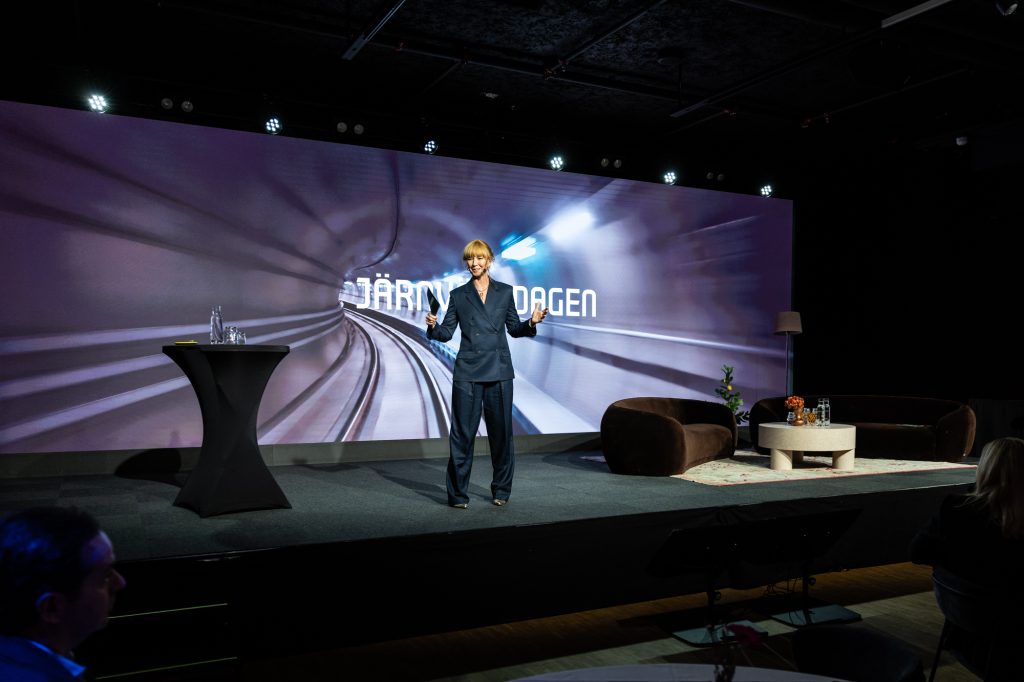
On November 26, the railway industry, politicians and business came together in Stockholm for Railway Day 2025. The day's themes revolved around how collaboration, innovation and digitalization can solve the industry's major challenges – from maintenance debt and capacity shortages to system shifts such as ERTMS.
Start with clear messages
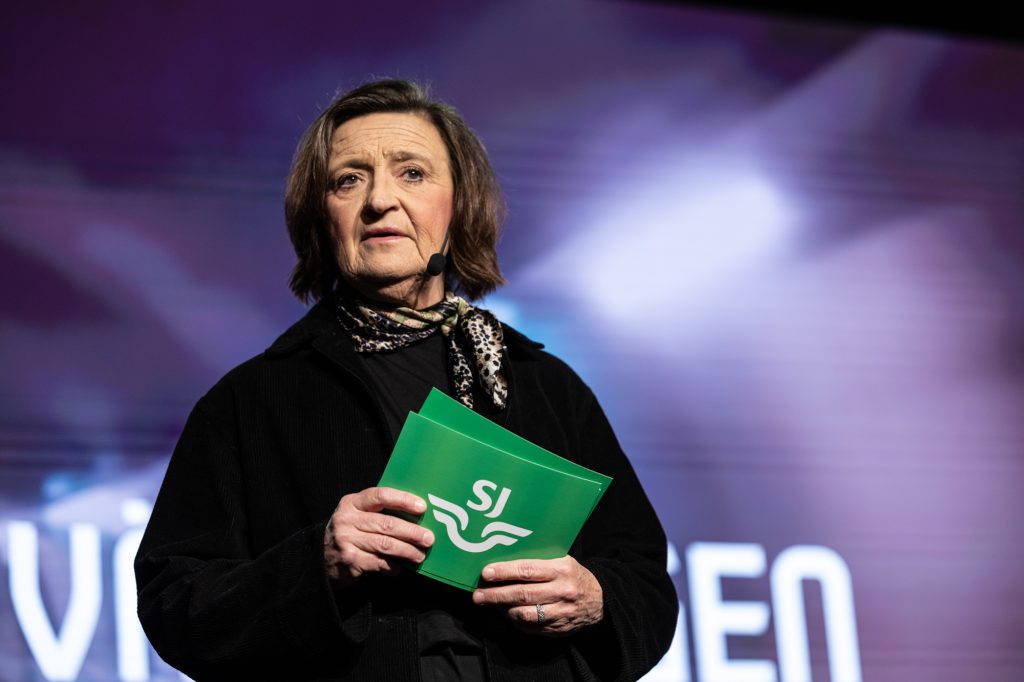
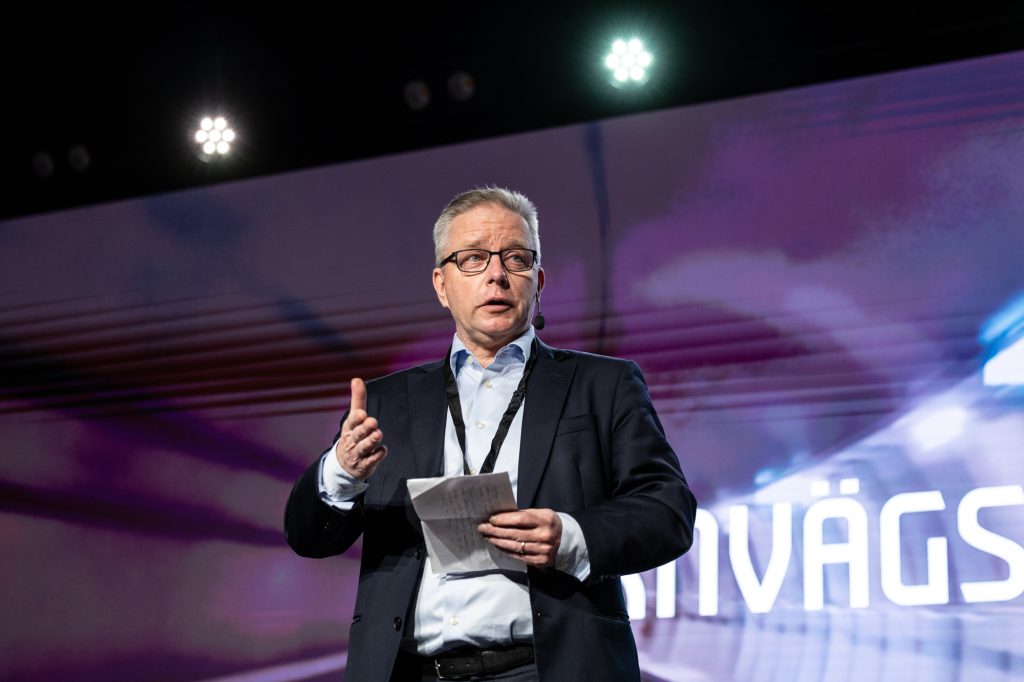
Monica Lingegård, chairwoman of Tågföretagen, and Björn Asplund, chairwoman of Swedtrain, began with a clear message: the railway must be upgraded faster and the actors must work together to meet the climate goals and strengthen the system's capacity.
Defense shows the way for innovation
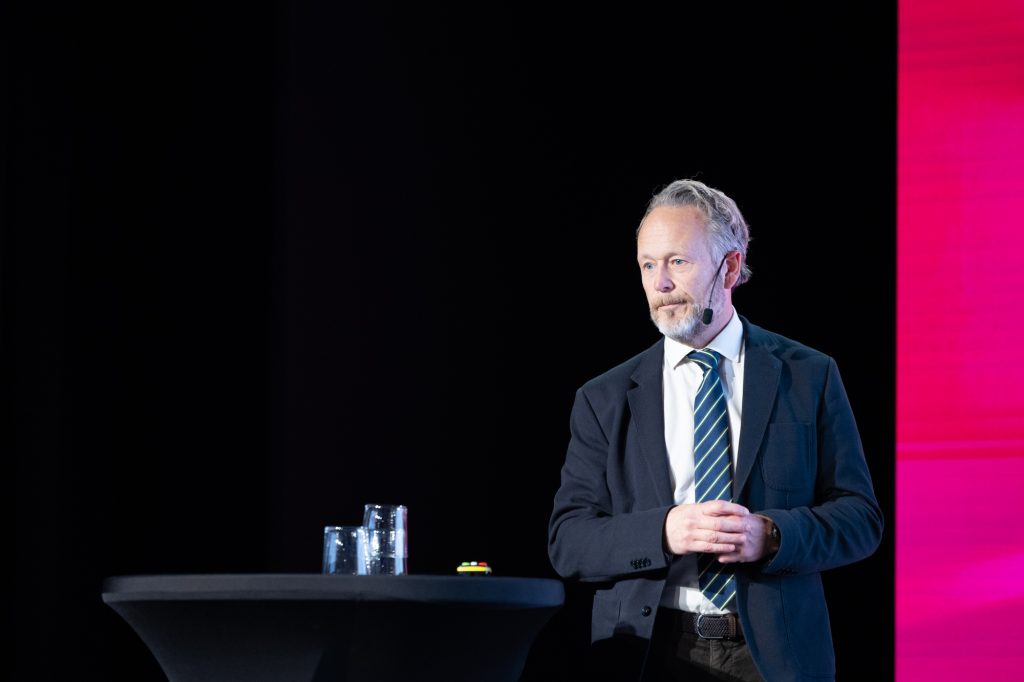
Per Öster of the Swedish Armed Forces presented how defence, industry and academia are working together to resume production of critical spare parts. He compared the challenges of the Defence and the Swedish Transport Administration to large, cumbersome organisations but emphasised that the railway industry has an advantage – it can be more open about its problems. This should be used to also take advantage of the innovative power of smaller companies: ”Because it is within small and medium-sized companies that innovation takes place.”
The Swedish Transport Administration is stepping up maintenance
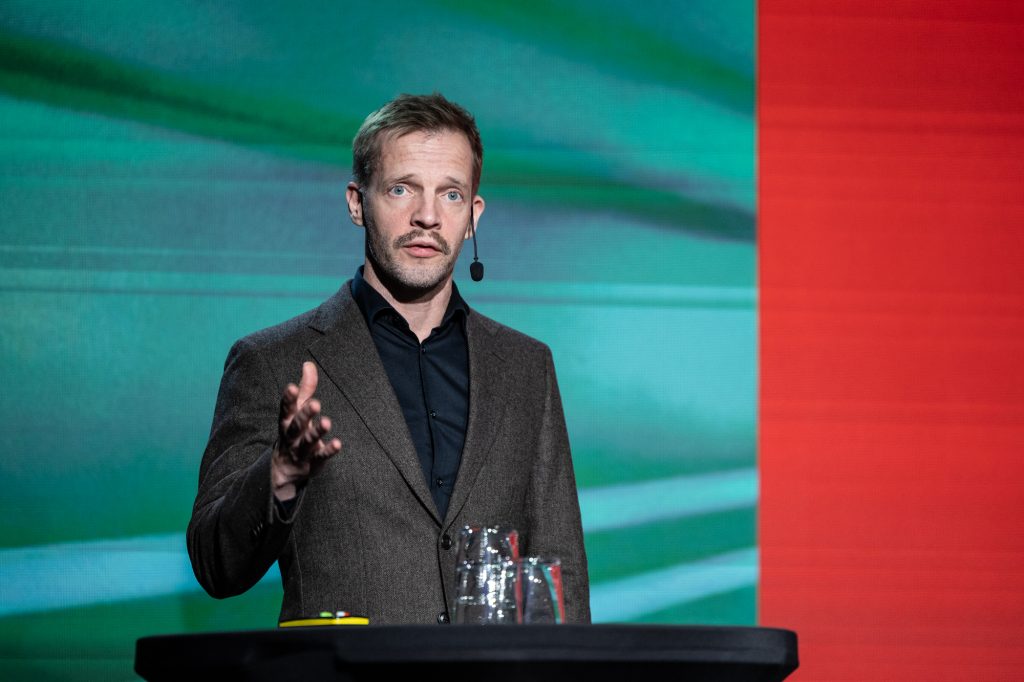
Jonatan Lennartsson from the Swedish Transport Administration described how the agency is increasing the pace of track and switch changes and investing in digitalization for better planning. The Switch Factory and the Contact Line Factory are examples of how industrialization can shorten lead times and increase efficiency.
Inlandsbanan – a lifeline for the industry
Otto Nilsson from Inlandsbanan showed how an alternative financing model could enable a SEK 11.5 billion upgrade. The model has attracted great interest both in Sweden and internationally, but unfortunately was not included in the proposal for the national plan.
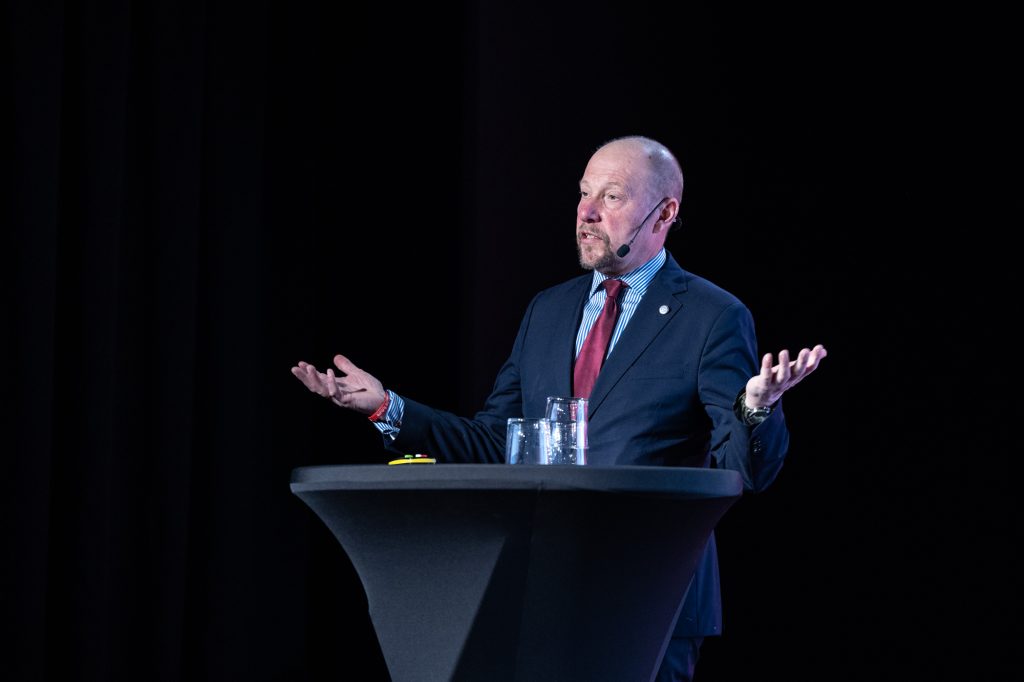
Maintenance, competence and innovation
The panel with Ulrika Geeraedts (Trafikverket), Stefan Gustavsson (Infranord), Kristina Nyquist (Siemens Mobility Sverige), Daniel Öholm (Vossloh Nordic Switch Systems) and Mats Boman (Prover Technology) discussed how the maintenance debt of 91 billion can be managed with the help of new technical solutions and working methods. The need to unleash the power of innovation in the supply chain, modernize regulations and solve the skills shortage was highlighted. Digitalization was pointed out as a central part of the solution.
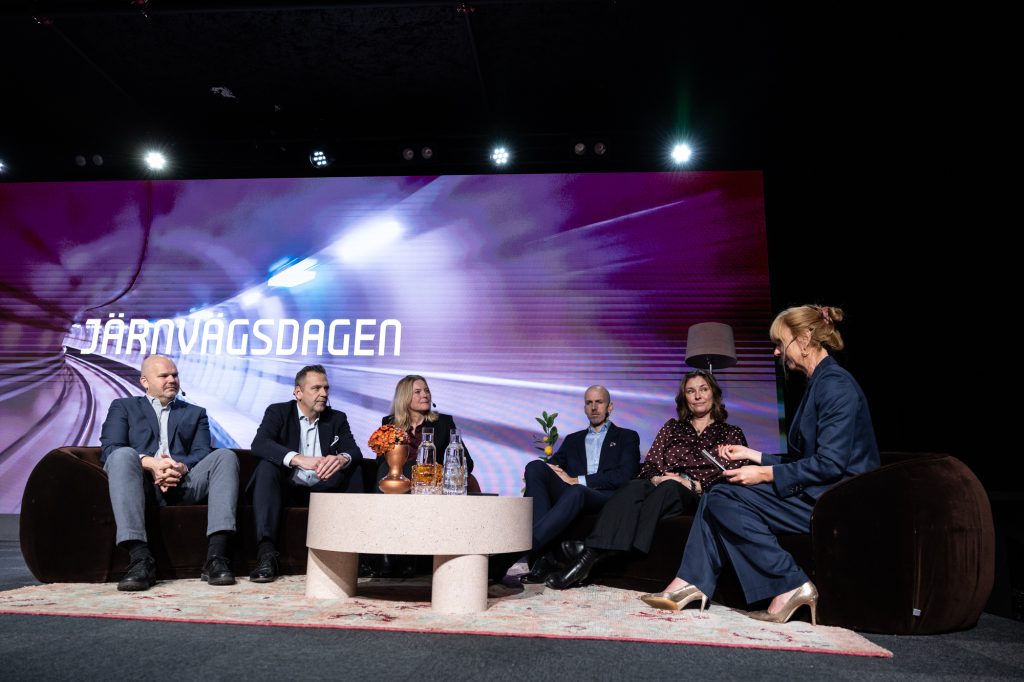
Gender equality as a competitive advantage
Eva Forslund, initiator of the Women in Rail Sweden network, showed that more gender-equal organizations are more attractive, profitable and better at retaining expertise.
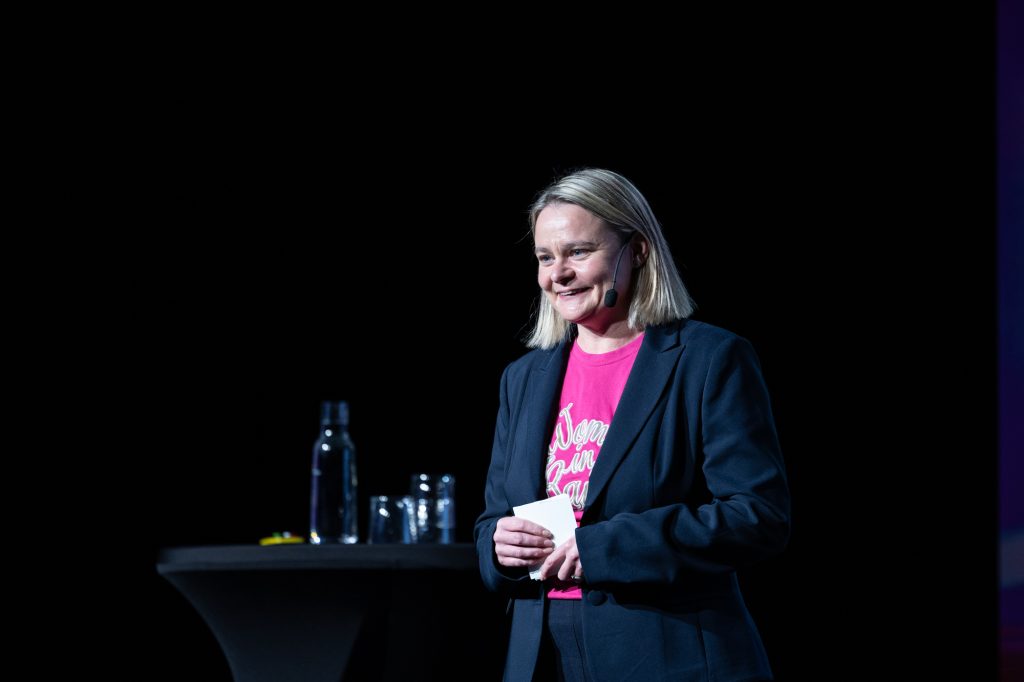
Political focus on maintenance
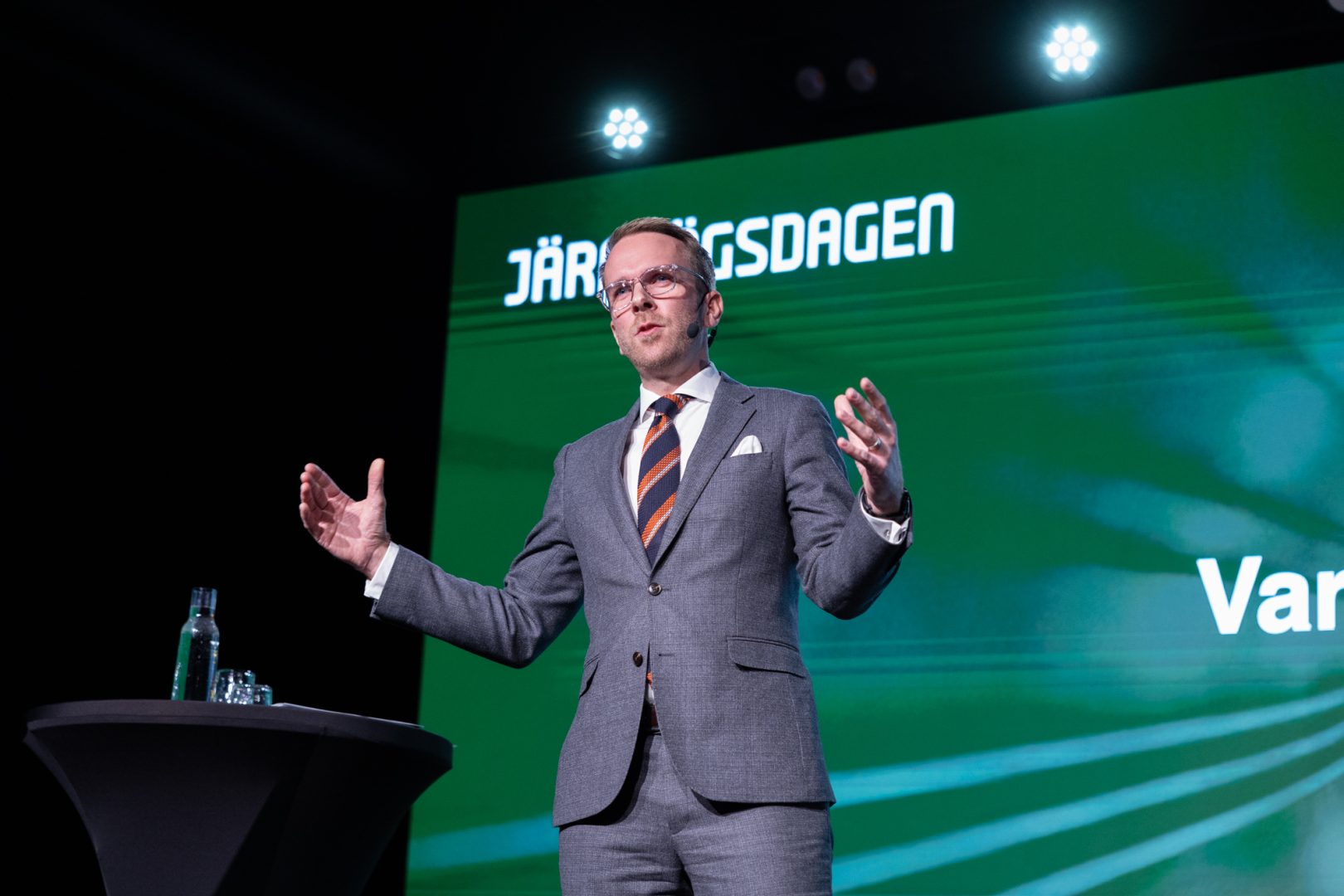
Minister of Infrastructure Andreas Carlson spoke about the government's work in the railway sector and its most important goal: to repay the maintenance debt by 2050.
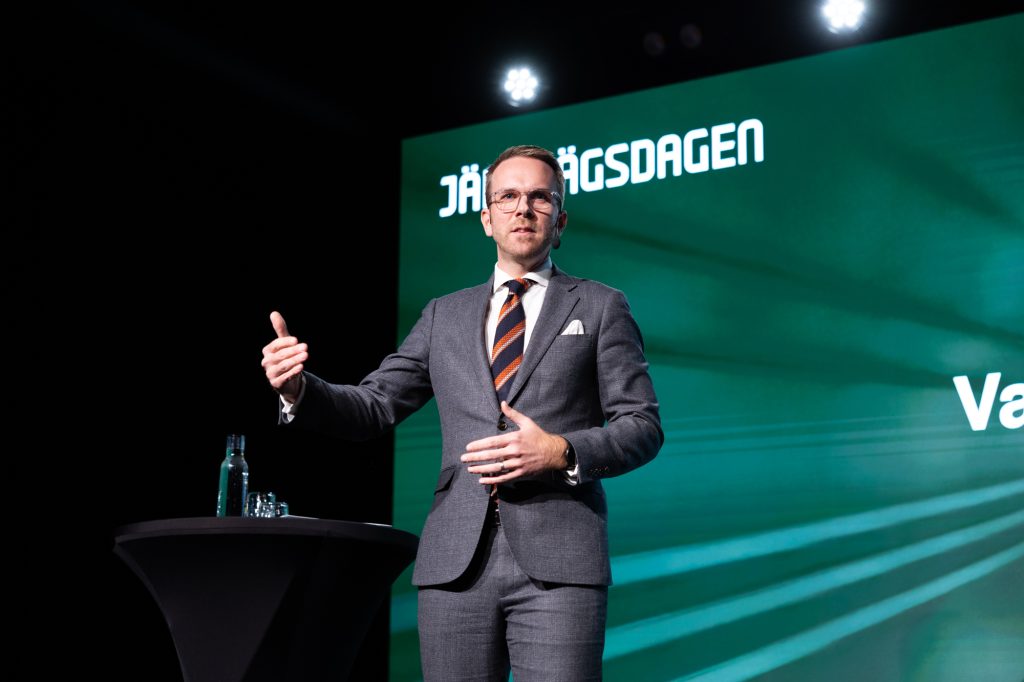
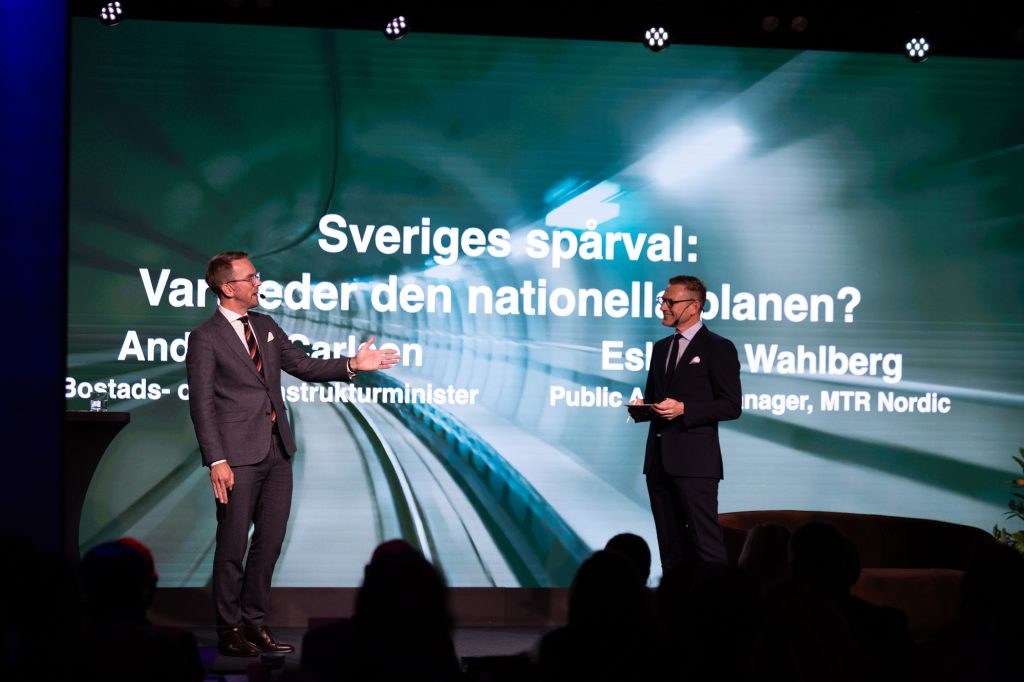
National plans under scrutiny
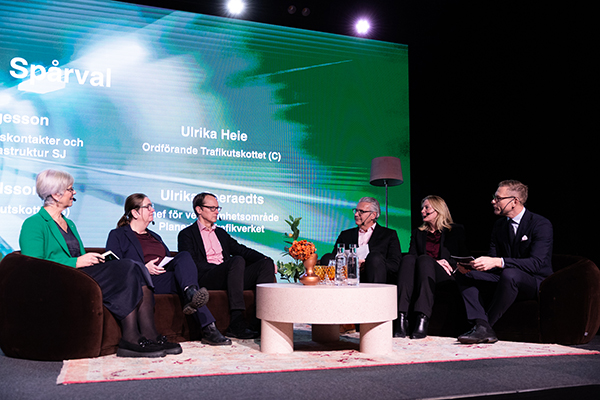
The panel with Ulrika Heie (C), Åsa Karlsson (S), Pär Helgesson (SJ), Henrik Dahlin (Green Cargo) and Ulrika Geeraedts (Trafikverket) welcomed the proposal for the national plan but expressed concerns about capacity shortages, regional differences and the lack of an end year for large projects. The need for a coherent route perspective and redundancy was also highlighted.
Capacity as hard currency
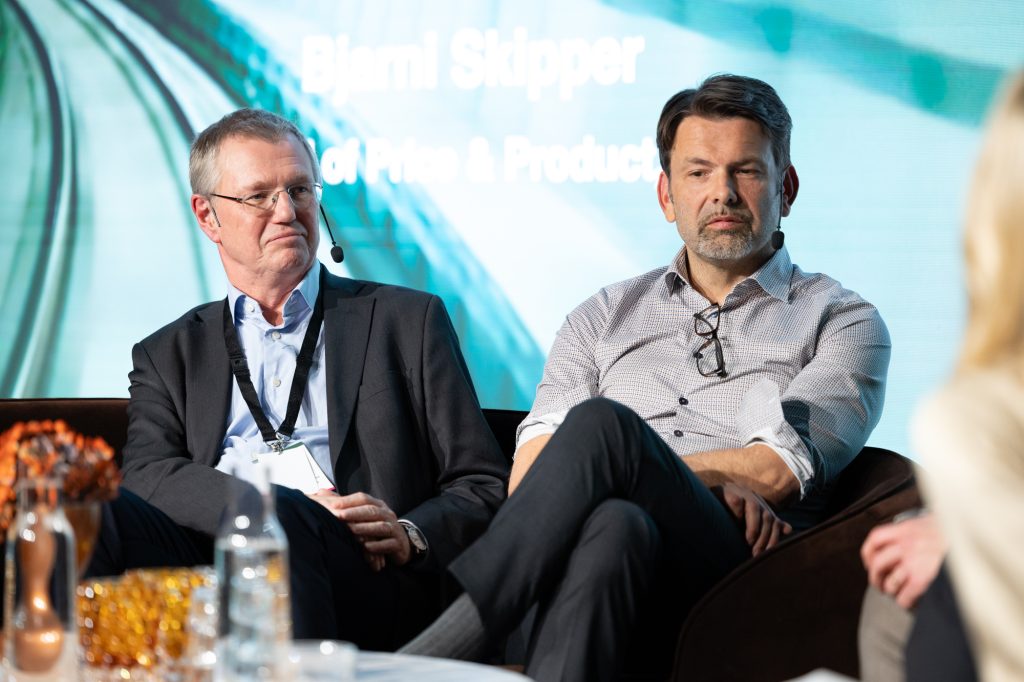
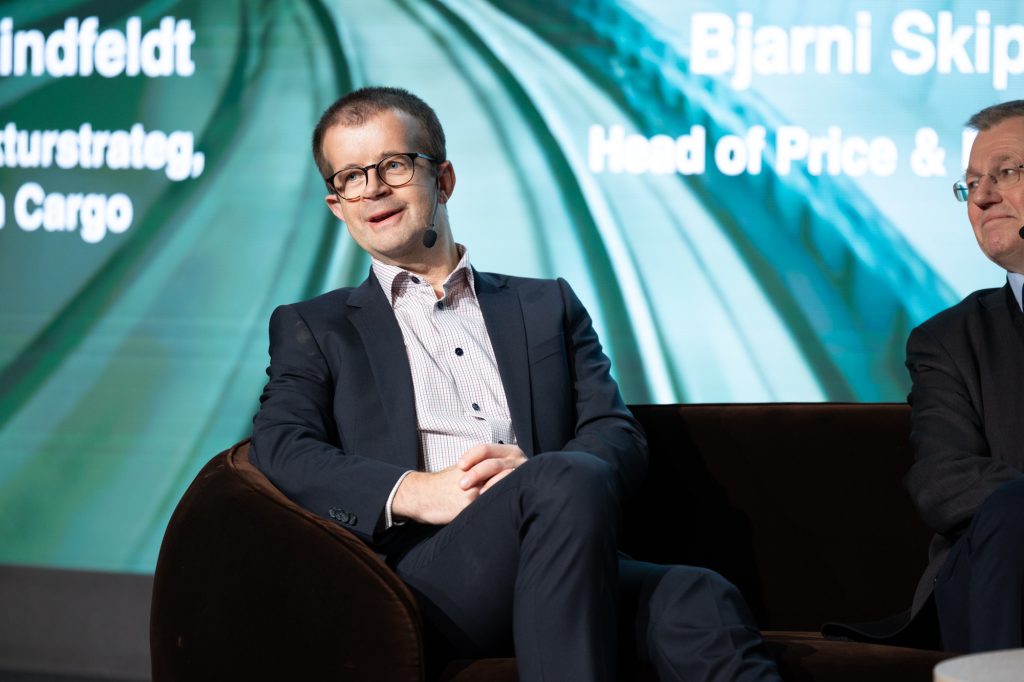
How should the actors work together when the system is full? The panel with Bjarni Skipper (SJ), Johan Wadman (Swedish Public Transport), Olov Lindfeldt (Green Cargo), Staffan Sporre (Trafikverket) and Jimmy Hagström (Strukton Rail) noted that capacity is not only about train paths, but also about effective planning and larger train sets. Early cooperation and tuning measures, such as triangle tracks, are crucial to avoiding conflicts and canceled trains.
ERTMS – system change with challenges
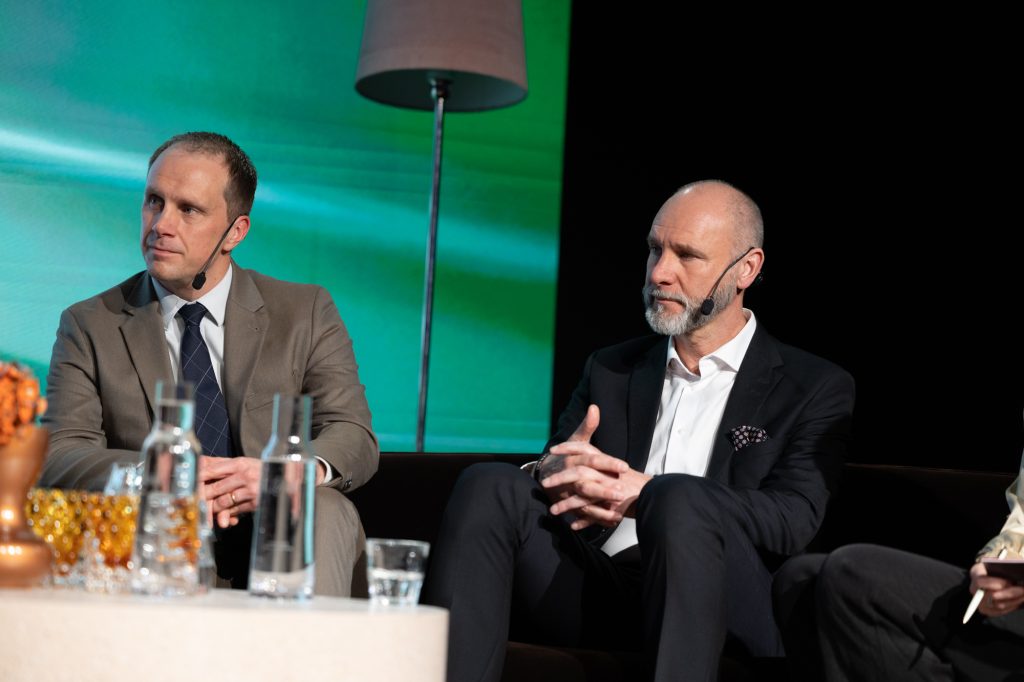
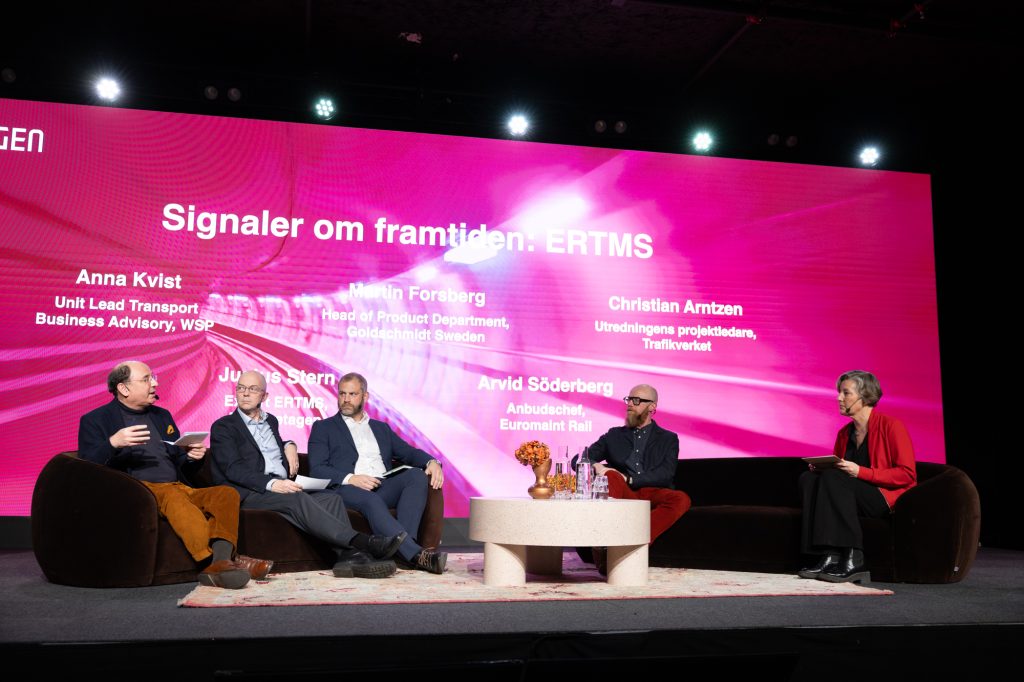
The introduction of investment support for ERTMS on-board equipment was discussed by Christian Arntzen (Trafikverket), Martin Forsberg (Goldschmidt Sweden), Justus Stern (Tågföretagen) and Arvid Söderberg (Euromaint). The Trafikverket proposed targeted support of SEK 3 billion to get the rollout started, but the industry warned of bottlenecks in workshops and increased costs for work machines, which are currently exempted from support in the proposal. These risks could make it more difficult to meet the national plan's goal of reducing maintenance debt.
International perspectives and digitalization
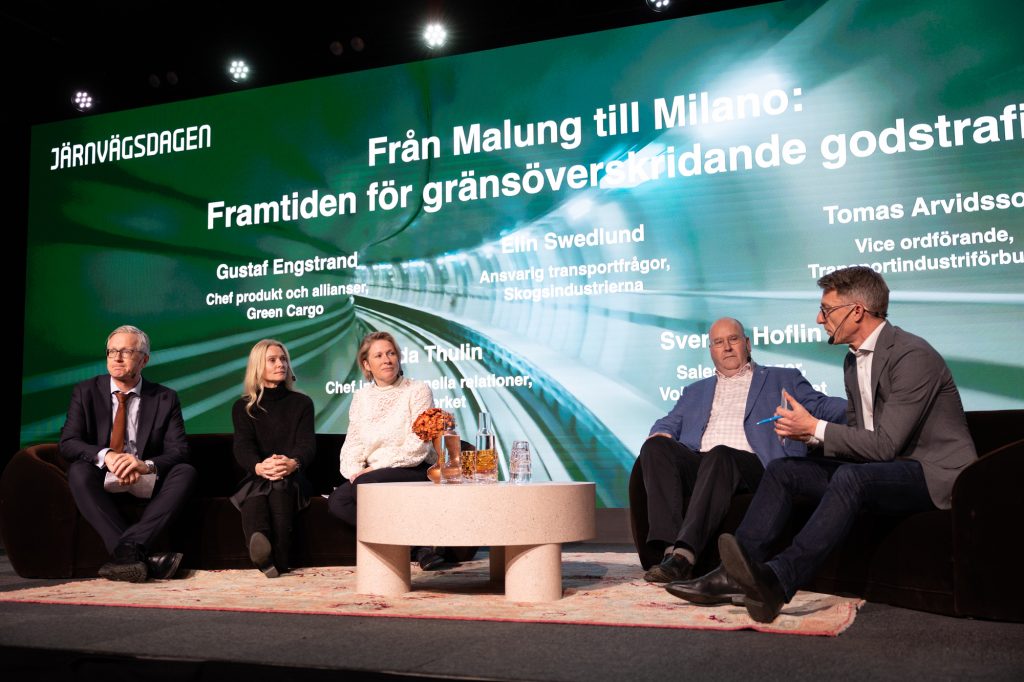
The block on cross-border freight traffic showed that Sweden risks becoming a bottleneck if system improvements are not made. Tomas Arvidsson (Transport Industry Association), Elin Swedlund (Forest Industries), Sverker Hoflin (Voith Turbo Safeset) and Linda Thulin (Trafikverket) pointed out digitalization of freight trains and harmonization in Europe as keys to competitiveness.
Market for procured traffic
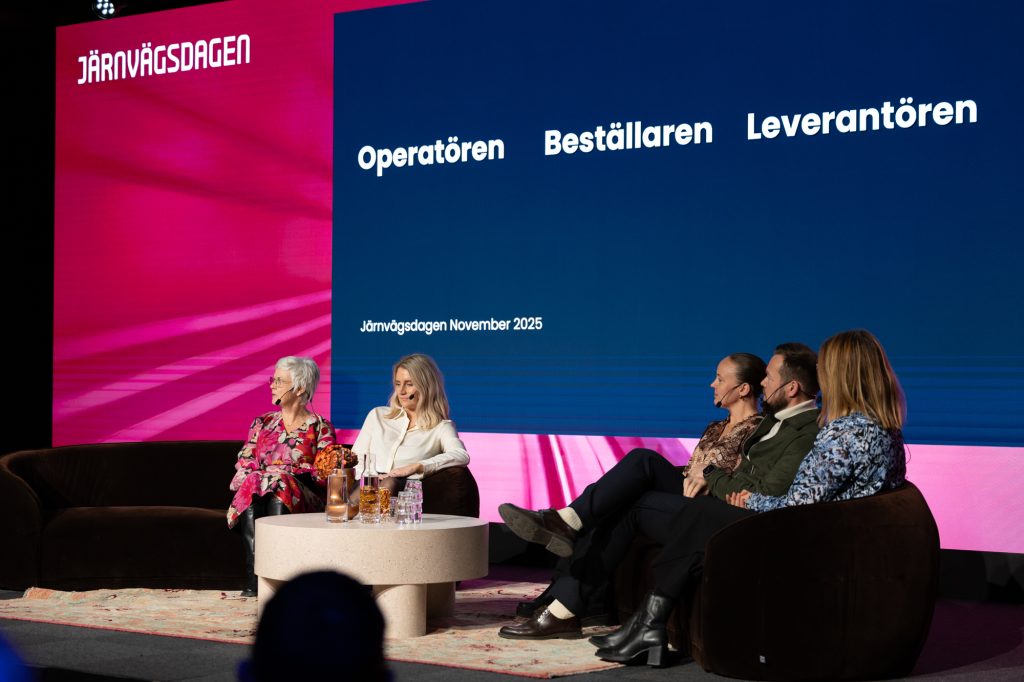
In today's final panel, Joakim Berg (Norrtåg), Maria Signal Martebo (Alstom Sverige), Anna Fahlkrans (SJ), Frida Ukmar (Transdev) and Charlotte Harald (Mälardalstrafik) discussed how safer contract forms and lessons learned from emergency contracts can create a more stable market for procured traffic.
Summary: The will is there – now action is required
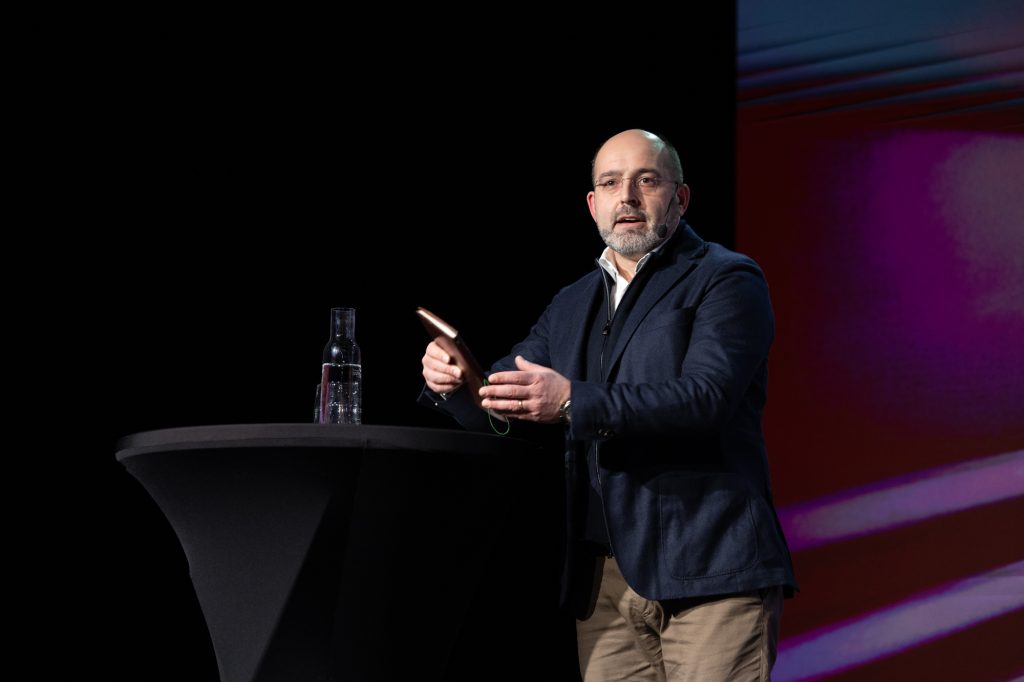
Bertrand Gryspeert concluded by stating that the industry has both the technology and the experience, but that success is determined by the ability to collaborate, scale up and make decisions with the entire system in focus.
The organizers of Railway Day, Swedtrain and Tågföretagen, would like to extend a big thank you to all participants, partners, speakers, today's emcee Frida Zetterström and the expert moderators Esbjörn Wahlberg, Lina Lagerroth, Anna Kvist, Gustaf Engstrand and Linus Eriksson for making Railway Day 2025 an inspiring and constructive meeting place!